
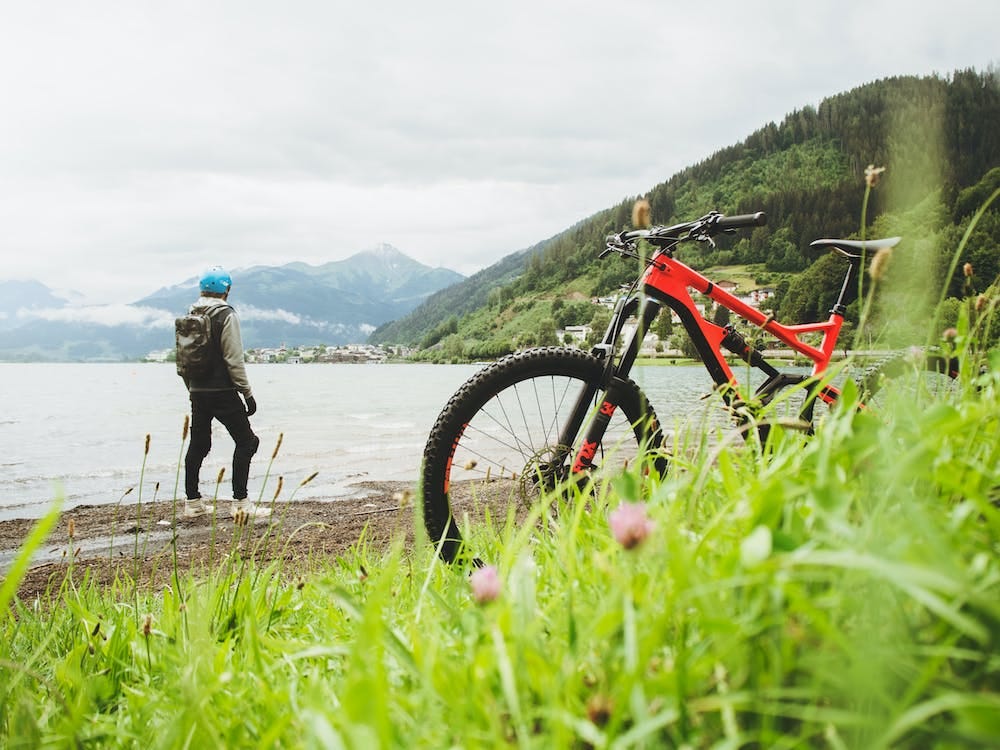
Gravel Biking stands apart in the cycling world due to its blend of adventure and endurance, as per Steven Rindner. It demands not only physical strength but also precision in selecting appropriate gear and mastering efficient techniques. Riders must prepare meticulously to navigate unpredictable surfaces, fluctuating weather, and long distances. Among the essential aspects of this discipline lies the art of balancing performance with comfort through the right tools and riding methods.
One of the most significant challenges in gravel riding is terrain adaptability. Gravel roads vary in texture—from smooth dirt paths to rugged, rocky trails. This inconsistency requires riders to choose equipment specifically designed for flexibility. A gravel bike, unlike a road or mountain bike, must integrate stability with speed. Its frame geometry, tire width, and gearing system determine the level of control on uneven surfaces.
Key Components for Effective Gravel Riding
- Tires and Pressure Management
Tire choice defines the experience on gravel terrain. Wider tires, typically ranging from 35mm to 45mm, enhance grip and cushioning. Tread patterns should match the terrain—aggressive treads for loose gravel and smoother ones for compact dirt.
- Tubeless systems: These reduce the likelihood of punctures and allow lower pressure for better traction.
- Pressure control: Slightly lower air pressure increases stability but excessive reduction can risk rim damage. Riders must find the optimal balance through trial and terrain awareness.
- Gearing and Drivetrain Efficiency
The drivetrain determines how efficiently a rider handles ascents and descents. Gravel routes often include steep, uneven climbs, demanding versatile gearing.
- Wide-range cassettes: These provide flexibility for both flat and hilly terrains.
- 1x or 2x setups: A single front chainring (1x) simplifies shifting and reduces mechanical issues, while a double (2x) offers a broader range of speeds.
- Maintenance: Regular cleaning prevents dust and grit accumulation, preserving chain longevity.
- Frame Geometry and Comfort
According to Steven Rindner, comfort directly affects endurance on long gravel rides. A gravel bike’s geometry must accommodate stability over long distances.
- Relaxed frame angles: These promote upright posture, reducing strain on the back and shoulders.
- Vibration damping materials: Carbon fiber or steel frames absorb shock better than rigid aluminum.
- Seatpost design: Flexible seatposts improve comfort on uneven roads.
- Safety and Navigation Tools
Gravel biking often leads cyclists into remote areas. Safety and navigation gear are essential for preparedness and awareness.
- GPS devices and maps: These ensure route accuracy and help avoid isolation in unmarked regions.
- Lighting systems: Front and rear lights enhance visibility during low-light conditions.
- Repair kits: Tubeless plugs, mini pumps, and multi-tools are crucial for on-route maintenance.
Techniques for Mastery on Gravel
Mastering gravel riding involves more than physical endurance. Technique refines control, reduces fatigue, and enhances safety.
- Body Position and Balance
A stable posture ensures efficient energy use and handling. Keeping a relaxed grip on the handlebars and shifting body weight according to terrain changes are vital. On descents, lowering the center of gravity maintains traction.
- Braking Control
Smooth braking prevents skidding. Riders should rely more on the rear brake when on loose gravel, applying both brakes progressively rather than abruptly.
- Cornering Technique
Cornering on gravel requires foresight. Entering a turn at moderate speed and keeping pressure evenly distributed helps maintain grip. Oversteering or sudden turns may cause loss of balance.
- Pacing and Energy Management
Long-distance rides demand steady pacing. Overexertion early in the ride can lead to fatigue. Nutrition, hydration, and rhythm are key to endurance.
Gravel riding is a pursuit of balance—between exploration and precision, adventure and caution. According to Steven Rindner, the right combination of equipment and technique transforms a challenging ride into a rewarding journey. Each choice, from tire pressure to posture, contributes to efficiency and safety. By refining both gear selection and riding habits, cyclists can navigate even the most unpredictable terrain with confidence and grace.